Full Mouth Rehabilitation for Mr. Roman: Bite Raising & Dual-Arch Ceramic Crowns
Clinical case study at Levy Dental Nha Trang: Comprehensive full mouth rehabilitation for Mr. Roman (50 years old) addressing severe tooth attrition, collapsed vertical dimension, and failing old bridges through physiological bite raising and custom all-ceramic crowns.

Full mouth rehabilitation at Levy Dental Clinic (Nha Trang, Vietnam) is an advanced prosthodontic discipline designed to reconstruct the occlusal scheme, preserve remaining dental structures, and revitalize smile aesthetics in complex dentitions. The real clinical case of Mr. Roman (50 years old) exemplifies this precision care: presenting with severe mechanical attrition, an edge-to-edge crossbite causing lower facial height collapse, and compromised margins on failing metal-ceramic bridges, the clinical team at Levy Dental performed physiological vertical dimension elevation and dual-arch all-ceramic restorations, restoring complete chewing stability and a rejuvenated appearance in just 5 to 7 days.
1. Pre-Treatment Clinical Assessment: Mr. Roman
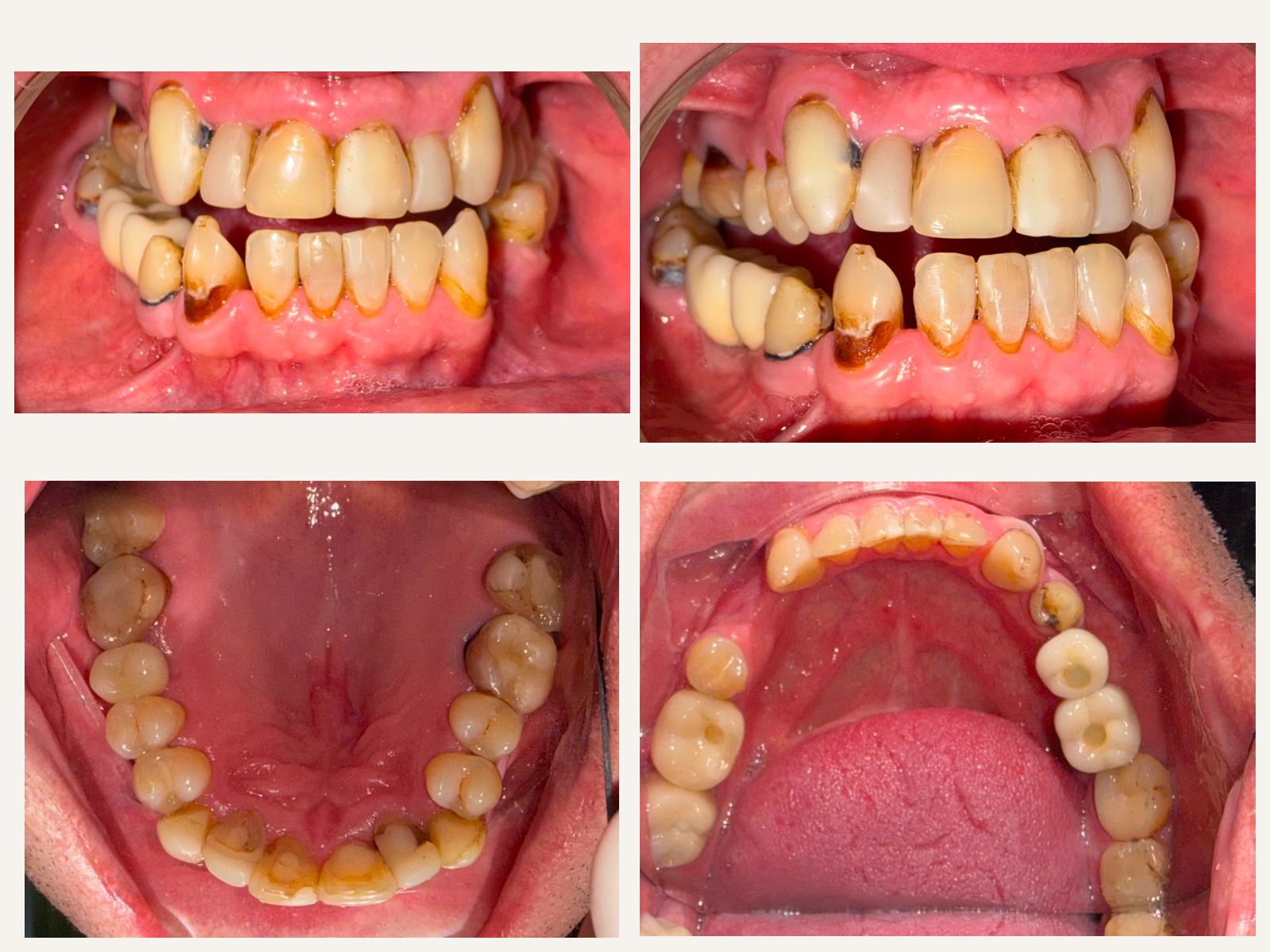
Upon presenting at Levy Dental Clinic in Nha Trang, Mr. Roman expressed dissatisfaction with discolored, shortened teeth, restricted chewing capability, and chronic muscle fatigue around the jaw joints when chewing firm foods.
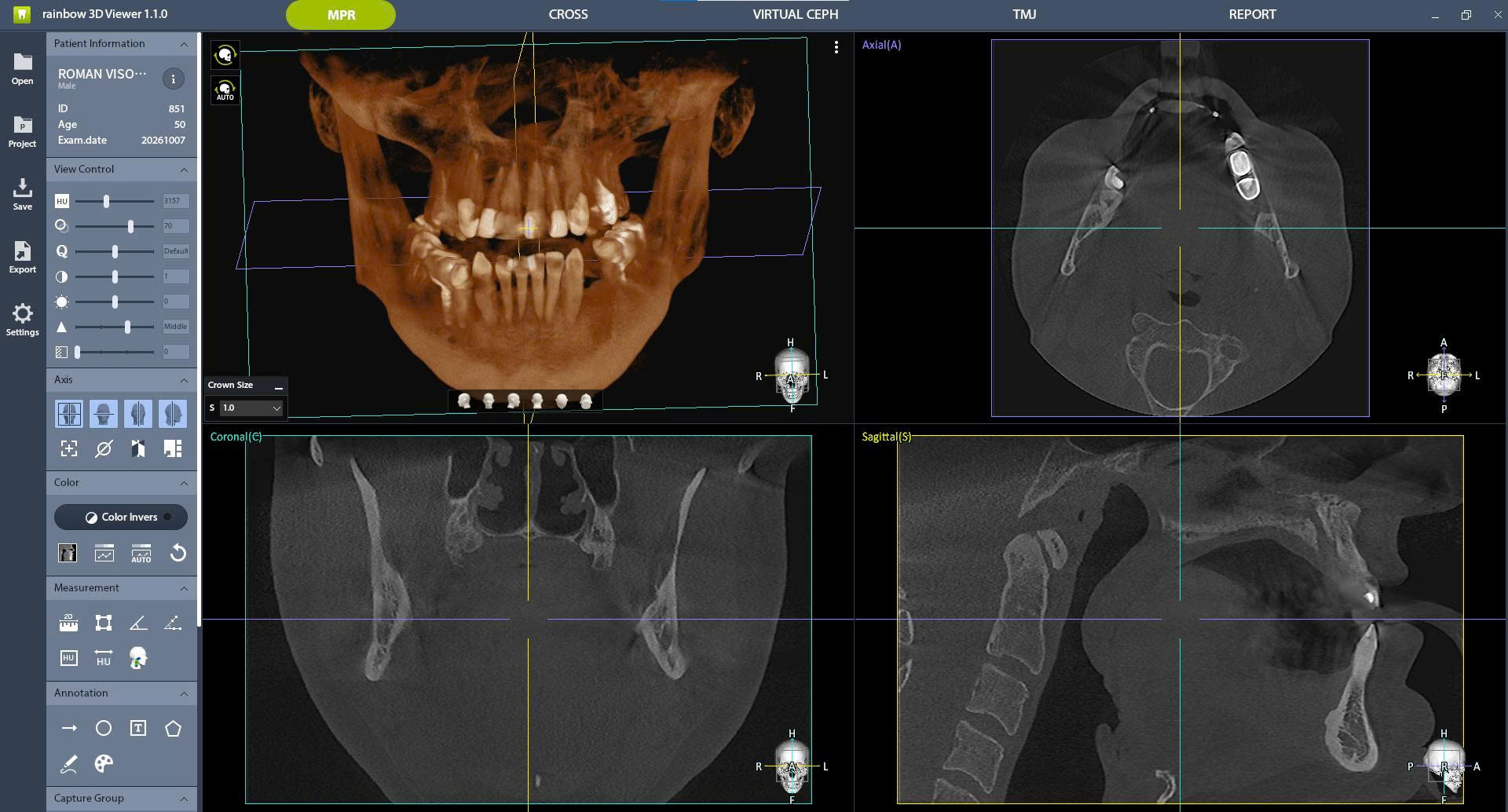
Comprehensive clinical evaluation corroborated with high-resolution 3D CT Cone Beam diagnostics (Rainbow 3D Viewer) revealed several primary anatomical compromises:
Severe Mechanical Attrition & Collapsed Vertical Dimension of Occlusion (VDO)
Chronic nocturnal bruxism combined with uneven occlusal stress caused flat wear facets across the incisal edges of the upper front teeth and the occlusal tables of the lower arch, exposing dark, stained dentin.
Advanced tooth attrition significantly reduced the lower facial third height (Vertical Dimension of Occlusion), contributing to downturned lip corners and premature facial aging.
Edge-to-Edge Bite & Loss of Canine Guidance
The anterior teeth contacted edge-to-edge rather than displaying an anatomically protective overbite/overjet relationship.
Natural canine disclusion was completely absent, transferring lateral shear forces directly onto anterior and posterior teeth, accelerating structural destruction.
Failing Metal-Ceramic Bridges & Chronic Gingival Inflammation
Existing porcelain-fused-to-metal (PFM) bridges across both arches exhibited open cervical margins with prominent black metal collar exposure.
The lower right canine (Tooth 43) presented with severe gingival recession, root surface wear, and dark brown secondary root caries.
Surrounding marginal gingiva exhibited chronic erythematous inflammation due to subgingival plaque traps around ill-fitting margins.
2. Individualized Treatment Objectives for Mr. Roman
To resolve biological pathology, biomechanical stability, and cosmetic form simultaneously, the clinical leadership at Levy Dental designed a 4-point protocol:
Controlled Vertical Dimension Elevation: Raise the occlusal vertical dimension by approximately 2.0 mm to decompress the temporomandibular joint (TMJ) complex and create interocclusal clearance for restorative ceramics.
Biological Decontamination & Tooth Preservation: Section and remove all compromised PFM bridges, manage root caries, and perform bio-composite core build-ups on weakened teeth.
Dual-Arch All-Ceramic Prosthetics: Fabricate high-strength monolithic ceramic crowns to protect all underlying natural abutments from fracture risks.
Natural Smile Architecture: Lengthen anatomical crown dimensions and establish a smile curvature following the contour of the lower lip.
3. Step-by-Step Clinical Workflow at Levy Dental
The treatment was executed under strict sterile protocols across sequential appointments:
Step 1: Digital Smile Design (DSD) & Diagnostic Mock-Up
Intraoral optical 3D scans captured baseline dental geometry. Digital wax-ups established the proposed tooth anatomy and raised bite. A chairside intraoral mock-up was evaluated directly in Mr. Roman's mouth to verify speech phonetics, facial aesthetics, and functional harmony prior to irreversible preparation.
Step 2: Bridge Removal, Pathology Treatment & Core Reconstruction
Failing metal-ceramic bridges were safely sectioned and removed.
Subgingival caries on root margins (notably tooth 43) were completely excavated and sealed with bio-compatible composite core build-ups.
Full-mouth ultrasonic debridement and subgingival scaling resolved localized gingival inflammation.
Step 3: Tooth Preparation & Fixed Diagnostic Temporaries
Natural teeth were conservatively prepared with clear chamfer/shoulder margins, preserving pulp vitality and sound tooth structure.
Full-arch provisional bridges reflecting the newly established vertical dimension were placed. Mr. Roman wore these temporaries for several days to allow the masticatory muscles to adapt comfortably to the revised bite.
Step 4: CAD/CAM Milling & Permanent Crown Cementation
High-precision CAD/CAM multi-layered ceramics were milled, exhibiting seamless chromatic transitions from cervical saturation to natural incisal translucency.
The dentist conducted clinical try-ins to assess marginal adaptation, contact points, and eccentric occlusal contacts.
All units were permanently bonded using resin-modified adhesive cements under strict moisture control.
4. Post-Treatment Outcome for Mr. Roman
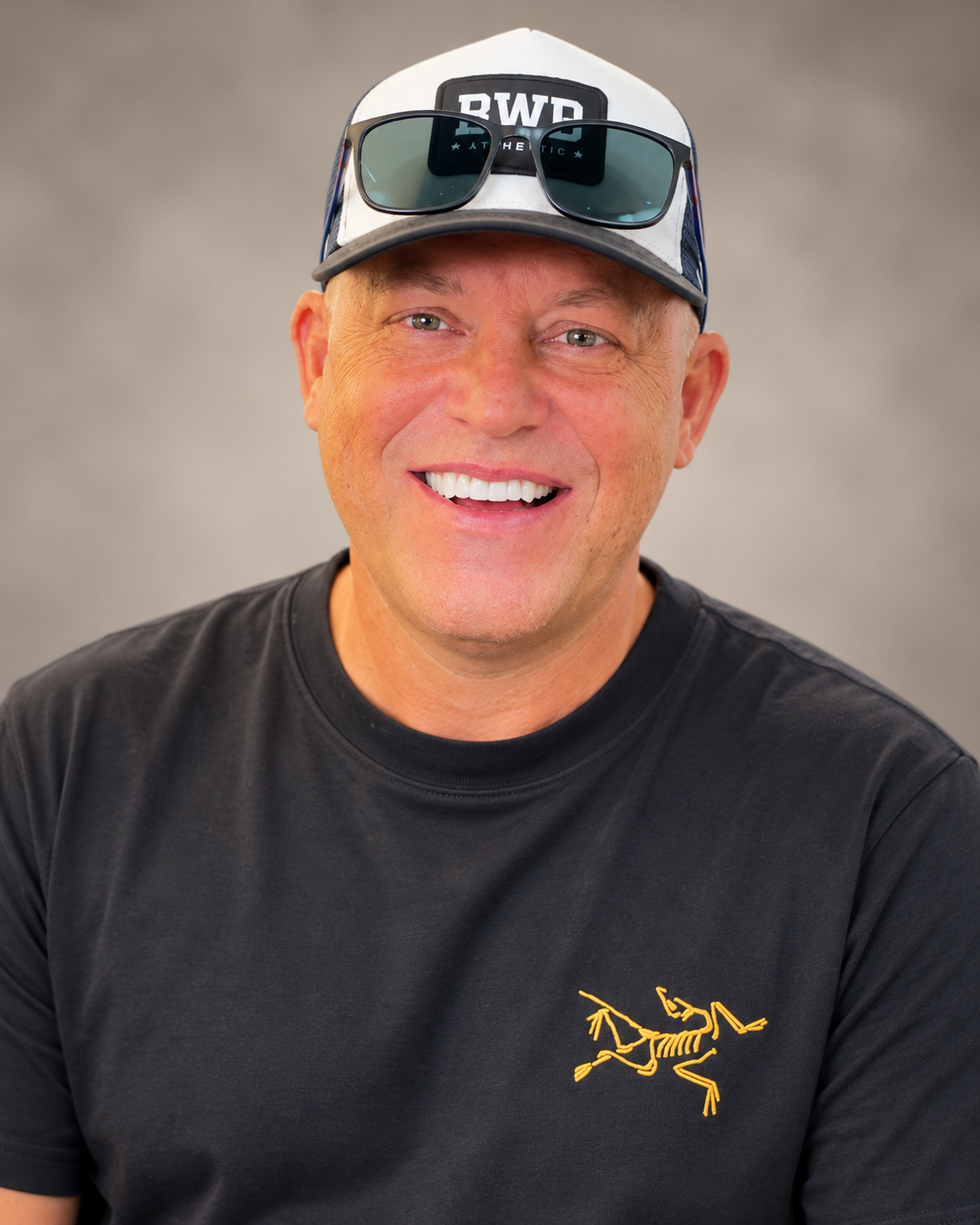
Completion of the dual-arch all-ceramic rehabilitation produced transformative clinical and aesthetic results:
Physiological Occlusion: The destructive edge-to-edge bite was eliminated; proper anterior guidance and harmonious bilateral posterior contacts were successfully re-established.
Natural Aesthetic Radiance: The previous yellowish, stained dentition was replaced with natural ivory-white ceramic restorations featuring lifelike surface texture and light-reflecting depth.
Balanced Smile Architecture: Anatomical crown lengths were restored to Golden Proportion ratios, eliminating dark interdental triangles with healthy pink gingival margins hugging each tooth.
Facial Rejuvenation: Bite elevation restored facial third height, softening perioral wrinkles and delivering a youthful, confident appearance for the 50-year-old patient.
5. Transparent Ceramic Pricing at Levy Dental Nha Trang
Levy Dental utilizes 100% genuine, internationally certified ceramic ingots accompanied by official manufacturer warranty cards:
Ceramic Restoration System | Origin | Mechanical & Aesthetic Attributes | Listed Fee (VND / Tooth) |
Multi-Layer Zirconia | Germany / Korea | Flexural strength > 1200 MPa, high fracture resistance, prevents wear. | 3,500,000 VND (~$140 USD) |
Cercon HT Premium | Germany (Dentsply Sirona) | Exceptional natural optical translucency mimicking real enamel. | 5,000,000 VND (~$200 USD) |
Emax Press Porcelain Veneer | Switzerland (Ivoclar Vivadent) | Maximum enamel preservation and aesthetic integration for front teeth. | 6,000,000 – 8,000,000 VND |
6. Frequently Asked Questions (FAQ)
Does full mouth rehabilitation with bite elevation cause pain?
The entire preparation and bridge removal sequence is performed under modern local anesthesia, making the treatment comfortable and pain-free. Following the placement of provisional restorations at the new bite height, mild muscular awareness may occur for 1 to 2 days, quickly resolving as the masticatory system acclimates.
How many days are required for a dual-arch reconstruction in Nha Trang?
Thanks to integrated digital scanning and in-house CAD/CAM milling workflows, a comprehensive dual-arch rehabilitation is completed within 5 to 7 days across 2 to 3 appointments. This timeline makes it an ideal treatment for international patients combining dental care with a coastal holiday in Nha Trang.