
What Is Airflow Cleaning? A Guide to Dental Biofilm
Air-polishing can remove biofilm and selected surface stains, but it does not replace every form of calculus removal or periodontal care.
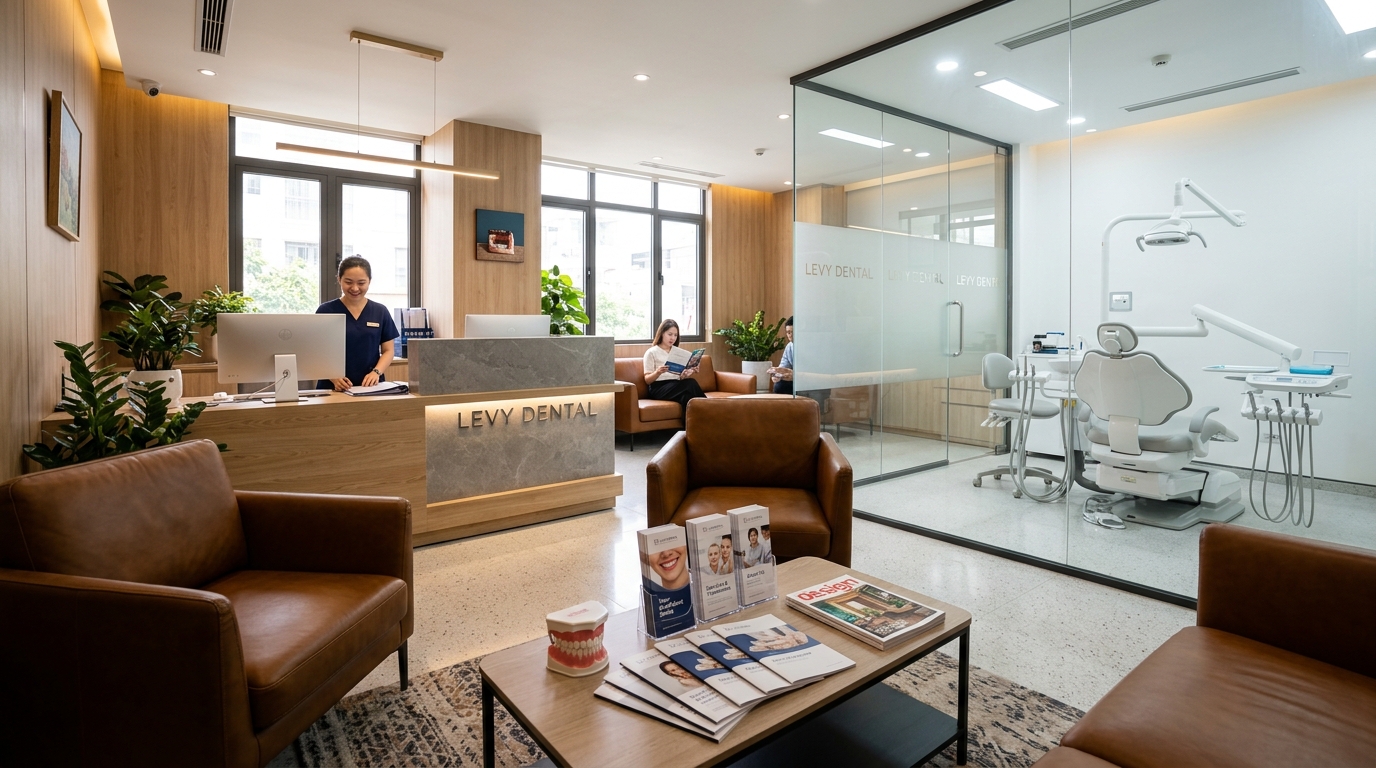
Airflow, or air-polishing, uses a controlled stream of air, water and fine powder to remove dental biofilm and selected surface stains. It can be one part of a professional hygiene visit, but it is not a universal replacement for every instrument and does not treat every form of periodontal disease.
What is dental biofilm?
Biofilm is a community of microorganisms attached to teeth, gums, the tongue, implants and restorations. If plaque is not controlled, it can contribute to tooth decay and gum inflammation. Once mineralised, plaque becomes harder calculus that commonly requires other professional instruments.
What may air-polishing help remove?
- Biofilm on suitable tooth and restoration surfaces.
- External stain associated with tea, coffee or tobacco.
- Deposits in selected areas around braces, implants or restorations.
- Biofilm during a professional maintenance visit based on individual risk.
What does it not replace?
Air-polishing does not replace diagnosis. It may not remove all hard calculus, does not by itself treat deep periodontal pockets and cannot correct systemic or behavioural risk factors. Clinical trials of erythritol powder air-polishing suggest it can support biofilm control in selected settings, while comparative outcomes with ultrasonic or root-surface instrumentation vary by disease and treatment goal.
What should happen before cleaning?
- Discuss symptoms, medical history and sensitivity.
- Examine teeth, gums, plaque, calculus, implants and restorations.
- Use plaque disclosure where appropriate to identify target areas.
- Select air-polishing, ultrasonic or hand instruments by surface and finding.
- Reassess and provide specific brushing and interdental advice.
- Choose a risk-based maintenance interval instead of one schedule for everyone.
Who should discuss precautions?
People with respiratory conditions, swallowing difficulties, oral lesions, acute infection, marked sensitivity or relevant medical conditions should provide a complete history. Powder, nozzle, pressure and treatment area need appropriate selection.
After the appointment
- Brush twice daily with fluoride toothpaste.
- Clean between teeth using a method suited to the spaces and restorations.
- Reduce tobacco and strongly staining drinks if colour maintenance matters.
- Contact the clinic if sensitivity persists or pain and bleeding increase.
- Attend reviews based on gum health and individual risk.
Key takeaway
Air-polishing is most useful as targeted cleaning within a complete preventive plan. Long-term control still depends on daily care, appropriate removal of hard deposits, management of periodontal disease and an individual review schedule.